
Why Waterproofing as a Service Is Still a Big Challenge in India
Updated: Aug 5
Waterproofing is a crucial part of any building project. It protects structures from water damage, which can cause serious problems like leaks, mold, and structural decay. Yet, in India, waterproofing remains a big challenge. Many buildings suffer from water seepage and dampness despite efforts to waterproof them. Why is this the case? Let’s explore the main reasons behind this ongoing issue and what can be done to improve the situation.
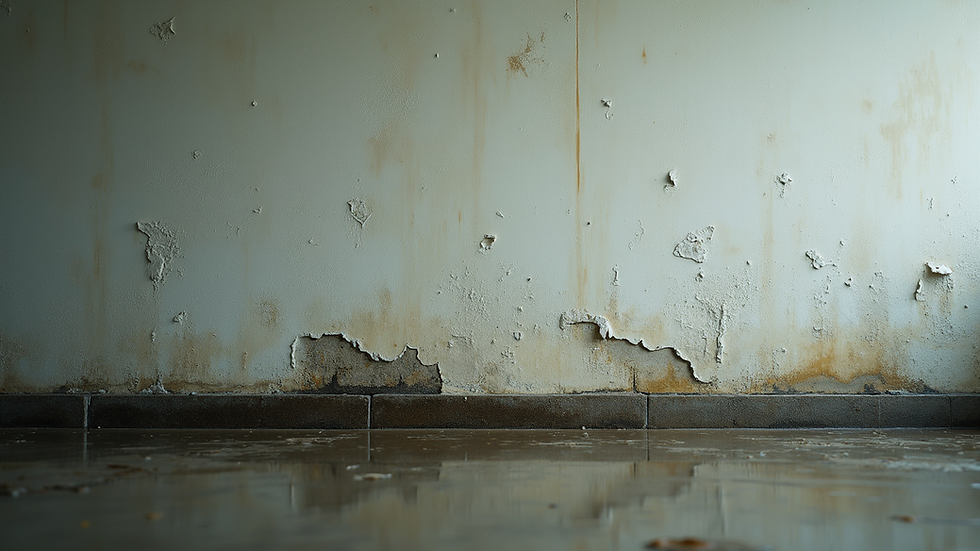
The Climate and Its Impact on Waterproofing
India’s climate plays a major role in making waterproofing difficult. The country experiences heavy monsoon rains, high humidity, and wide temperature variations. These factors put constant pressure on building materials and waterproofing layers.
During the monsoon season, buildings face intense water exposure for weeks. If waterproofing is not done properly, water can seep through cracks and joints. High humidity also keeps surfaces moist, encouraging mold growth and weakening materials over time.
Temperature changes cause materials to expand and contract. This movement can create tiny gaps in waterproofing membranes, allowing water to enter. In many parts of India, these cycles happen frequently, making it hard for waterproofing to last long without maintenance.
Lack of Awareness and Understanding
One of the biggest challenges is the lack of awareness about waterproofing among homeowners and builders. Many people do not realize how important it is to invest in quality waterproofing at the start of construction. They may see it as an extra cost rather than a necessary step.
Builders sometimes skip or rush waterproofing to save money or time. This leads to poor workmanship and use of low-quality materials. Without proper training, workers may not apply waterproofing products correctly, reducing their effectiveness.
Homeowners often notice water problems only after damage appears. By then, repairs become costly and complicated. Educating people about the benefits of waterproofing and how to spot early signs of water damage can help reduce this issue.
Challenges with Materials and Technology
Waterproofing products and technology have improved over the years, but challenges remain in India. The availability of high-quality materials can be limited, especially outside major cities. Some products may not suit local conditions or may degrade quickly under harsh weather.
For example, traditional cementitious waterproofing can crack over time due to temperature changes. Newer solutions like liquid-applied membranes or polyurethane coatings offer better flexibility and durability but come at a higher price.
One product that stands out is Dr. Fixit Pidiproof LW, a liquid waterproofing membrane designed for Indian conditions. It is easy to apply and forms a seamless, flexible barrier against water. This product is ideal for terraces, balconies, and bathrooms where water exposure is high. You can learn more about it here.
Using the right product for the right application is key. Combining different waterproofing methods can also improve results, such as using membranes along with protective coatings.
Poor Construction Practices
Construction quality is a major factor in waterproofing failures. Even the best products cannot perform well if applied on poorly prepared surfaces or if structural defects exist.
Common issues include:
Cracks in concrete due to improper curing
Gaps around joints and corners
Inadequate slope on terraces, causing water pooling
Lack of proper drainage systems
These problems allow water to penetrate and damage the building. Skilled supervision and quality control during construction are essential to avoid such mistakes.
Maintenance and Repair Neglect
Waterproofing is not a one-time job. It requires regular inspection and maintenance to stay effective. Unfortunately, many property owners neglect this aspect.
Small cracks or damaged membranes need prompt repair. Ignoring these signs leads to bigger problems like seepage and mold growth. Regular cleaning of drainage systems and ensuring no water stagnation also help maintain waterproofing.
Professional waterproofing services often offer maintenance contracts to keep buildings protected year-round. For example, Build Healer provides comprehensive waterproofing solutions along with follow-up care to ensure lasting results. You can check their services here.
Regional Variations and Local Challenges
India’s vast geography means waterproofing challenges vary by region. Coastal areas face saltwater corrosion and high humidity. Northern regions deal with freezing temperatures and snow. Urban areas have pollution and construction density issues.
Local soil conditions also affect waterproofing. Clay soils retain water and increase hydrostatic pressure on foundations. Sandy soils drain quickly but may cause erosion.
Understanding these local factors is important when choosing waterproofing methods and materials. Customized solutions work better than one-size-fits-all approaches.
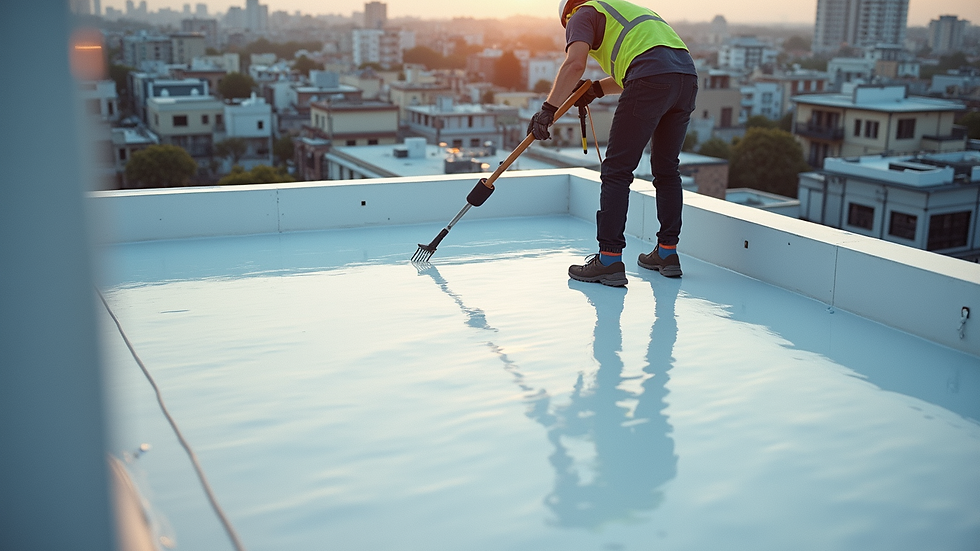
Cost Concerns and Budget Constraints
Cost is a major reason why waterproofing is often compromised. Many builders and homeowners want to cut expenses, especially in budget projects. Waterproofing is sometimes seen as a non-essential expense.
However, poor waterproofing leads to expensive repairs later. Water damage can affect walls, ceilings, electrical systems, and even the building’s structure. Investing in good waterproofing upfront saves money and stress in the long run.
Affordable yet effective products like Dr. Fixit Pidiproof LW help balance cost and quality. Choosing the right product and professional service can prevent costly damage.
The Role of Professional Services
Professional waterproofing services bring expertise, experience, and quality products to the table. They assess the building’s needs, recommend suitable solutions, and ensure proper application.
For example, Build Healer offers tailored waterproofing services in Bangalore, combining modern materials with skilled workmanship. Their approach includes surface preparation, product selection, application, and maintenance advice.
Hiring professionals reduces the risk of errors and improves the lifespan of waterproofing. It also provides peace of mind knowing the building is protected.
Moving Forward: How to Overcome These Challenges
To improve waterproofing in India, several steps can help:
Increase awareness among homeowners and builders about the importance of waterproofing
Promote training and certification for waterproofing contractors
Encourage use of high-quality, locally suitable products like Dr. Fixit Pidiproof LW
Implement strict quality control during construction
Emphasize regular maintenance and timely repairs
Customize solutions based on regional climate and soil conditions
Support professional waterproofing services for better results
By addressing these areas, we can reduce water damage problems and protect buildings for years to come.
Waterproofing remains a challenge in India due to climate, awareness, materials, construction quality, and maintenance issues. But with the right knowledge, products, and professional help, we can build stronger, safer homes and commercial spaces. Taking waterproofing seriously today means fewer headaches and better protection tomorrow. Let’s make waterproofing a priority and keep our buildings dry and durable.
If you want to explore reliable waterproofing options, consider checking out Dr. Fixit Pidiproof LW and professional services like Build Healer to get started on protecting your property the right way.


Comments