
Understanding the Importance of Detailed Home Inspection
Buying or owning a property is a big deal. Whether it’s a cozy home or a commercial space, we want to make sure it’s safe, sound, and worth every penny. That’s where a detailed home inspection comes in. It’s like giving your property a thorough health check-up before you commit or continue living there. In this post, we’ll explore why a detailed home inspection is so important, what it covers, and how it can save you from costly surprises down the road.
Why a Detailed Home Inspection Matters
When we think about buying a property, the price and location often steal the spotlight. But the real story lies beneath the surface. A detailed home inspection uncovers hidden issues that might not be obvious at first glance. It’s not just about spotting cracks or leaks; it’s about understanding the overall condition of the building.
For example, a small water leak in the basement might seem harmless, but it could lead to mold growth or structural damage if left unchecked. Similarly, faulty wiring or an aging roof can pose safety risks. By identifying these problems early, we can negotiate repairs, adjust the price, or even walk away if the risks are too high.
A detailed home inspection also gives peace of mind. Knowing that your investment is solid helps you sleep better at night. It’s a smart step that protects your wallet and your well-being.

What Does a Detailed Home Inspection Include?
A detailed home inspection covers many parts of a property. Here’s a quick rundown of the key areas:
Structural Components: Walls, foundation, beams, and columns are checked for cracks, shifts, or damage.
Roof and Gutters: Inspectors look for missing shingles, leaks, and gutter blockages.
Plumbing System: Pipes, faucets, water heaters, and drainage are tested for leaks and functionality.
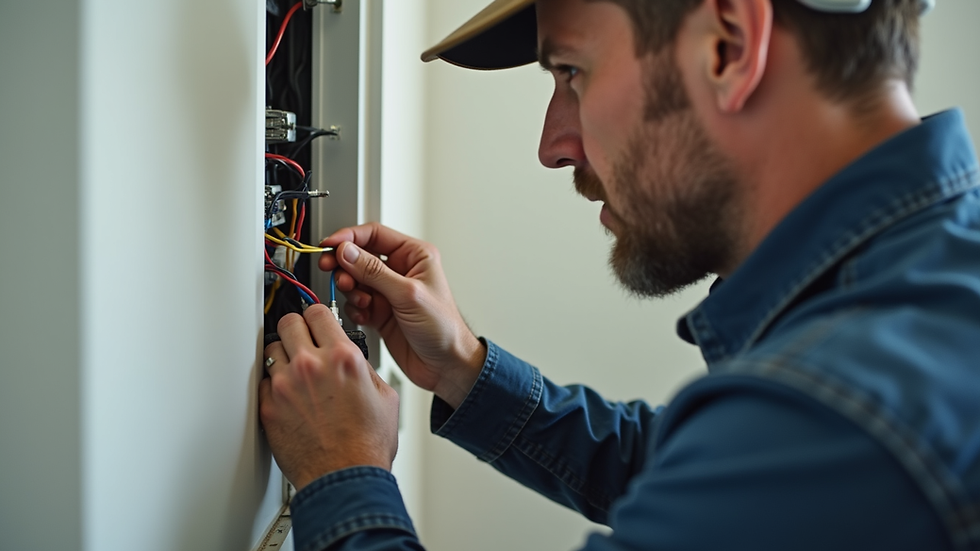
Electrical System: Wiring, outlets, circuit breakers, and safety devices are examined.
Heating and Cooling Systems: HVAC units are checked for efficiency and wear.
Interior Elements: Doors, windows, floors, ceilings, and walls are inspected for damage or wear.
Insulation and Ventilation: Proper insulation and airflow are essential for energy efficiency and comfort.
Pest Infestation: Signs of termites, rodents, or other pests are looked for.
Each of these areas can reveal issues that affect the property’s value and safety. A detailed home inspection report will list all findings, often with photos and recommendations.
How a Detailed Home Inspection Helps in Decision Making
When we have a detailed home inspection report in hand, it’s like having a map to navigate the buying or maintenance process. Here’s how it helps:
Negotiation Power: If the inspection reveals problems, we can ask the seller to fix them or lower the price.
Budget Planning: Knowing what repairs or upgrades are needed helps us plan finances better.
Safety Assurance: Identifying hazards like faulty wiring or mold protects our health and safety.
Long-Term Maintenance: The report guides us on what to monitor or maintain regularly.
Avoiding Surprises: We reduce the risk of unexpected expenses after moving in.
For commercial property owners, this is especially crucial. A well-maintained building attracts tenants and customers, while a neglected one can lead to costly downtime or legal issues.
When Should We Schedule a Detailed Home Inspection?
Timing is key to getting the most out of a detailed home inspection. Here are some ideal moments:
Before Buying: Always get an inspection before finalizing a purchase. It’s a non-negotiable step.
Before Selling: Sellers can benefit by identifying and fixing issues upfront, making the property more attractive.
After Natural Disasters: Floods, storms, or earthquakes can cause hidden damage that needs assessment.
Regular Maintenance: Even if we own the property for years, periodic inspections help catch wear and tear early.
Before Renovations: Knowing the current state helps plan upgrades safely and efficiently.
Scheduling a detailed home inspection at the right time ensures we’re informed and prepared.
Choosing the Right Home Inspection Service
Finding a trustworthy home inspection service is essential. We want professionals who are experienced, thorough, and transparent. Here are some tips:
Check Credentials: Look for certified inspectors with good reviews.
Ask About Experience: Inspectors familiar with local building codes and climate conditions are a plus.
Request Sample Reports: A clear, detailed report shows professionalism.
Compare Prices: Don’t just go for the cheapest option; quality matters.
Communicate Clearly: Choose someone who explains findings in simple terms.
A reliable home inspection service is an investment that pays off by protecting our property and peace of mind.
Taking Action After the Inspection
Once we get the inspection report, it’s time to act. Here’s what we can do:
Review the Report Carefully: Understand each issue and its impact.
Prioritize Repairs: Focus on safety and major structural problems first.
Get Quotes: Contact contractors for repair estimates.
Negotiate with Sellers: Use the report to discuss price adjustments or repairs.
Plan Maintenance: Set reminders for regular checks and upkeep.
Remember, a detailed home inspection is not just about finding faults but about making informed decisions that keep our property safe and valuable.
A detailed home inspection is more than a formality. It’s a crucial step that helps us protect our investment, ensure safety, and plan for the future. Whether it’s a new purchase or an existing property, taking the time to get a thorough inspection pays off in the long run. Let’s make smart choices and build a secure foundation for our homes and businesses.


Comments